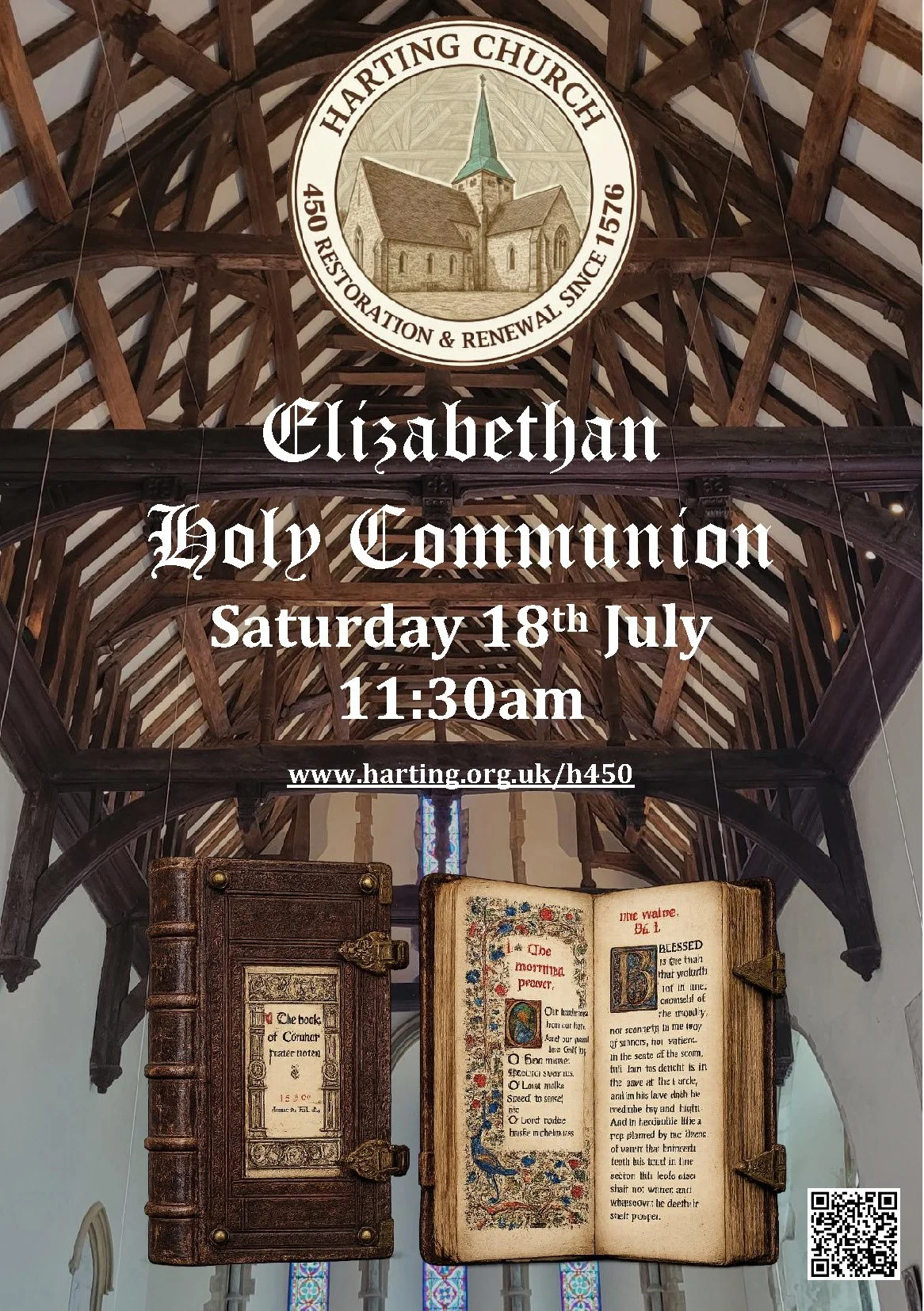
Elizabethan Holy Communion
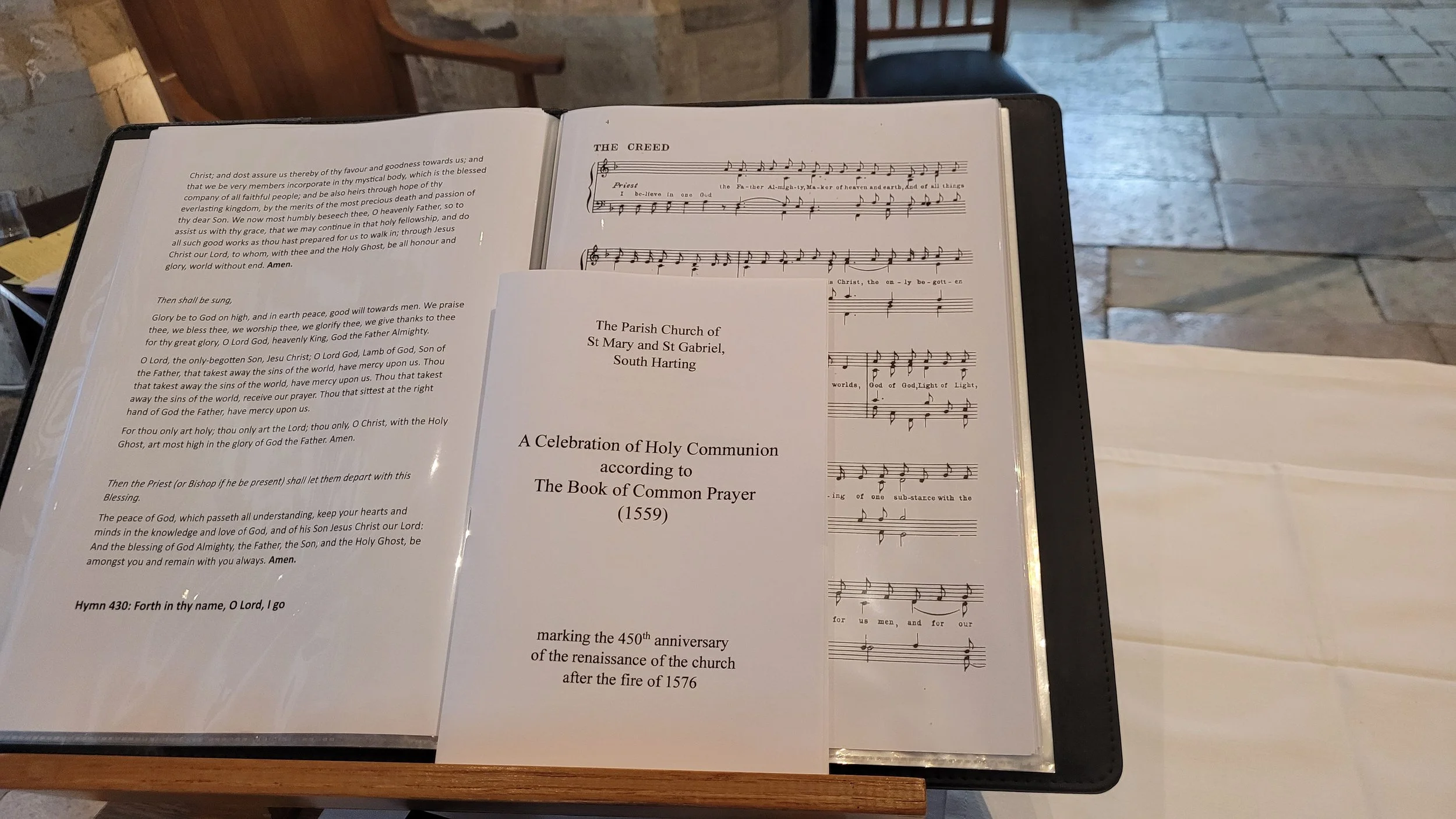
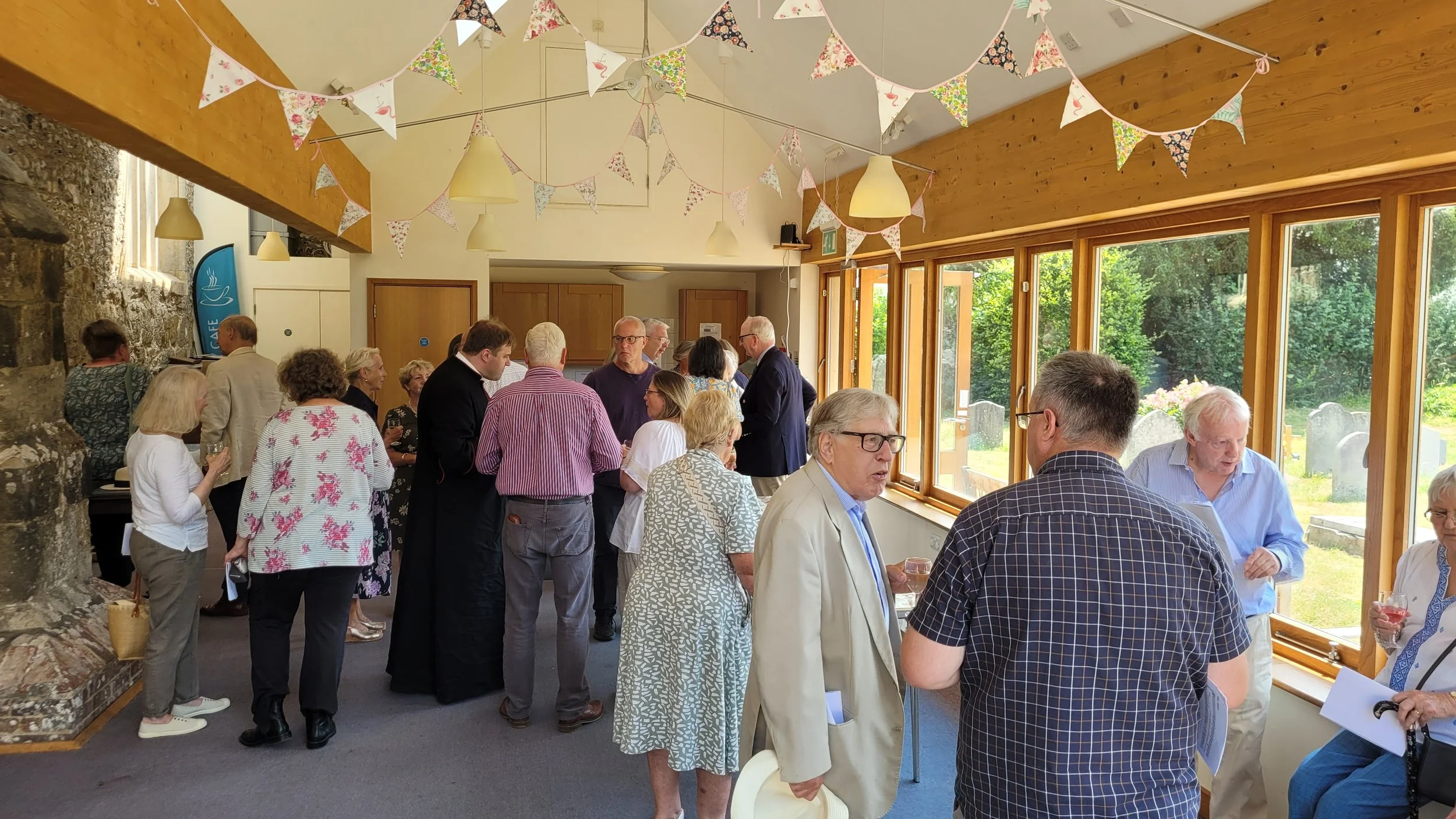
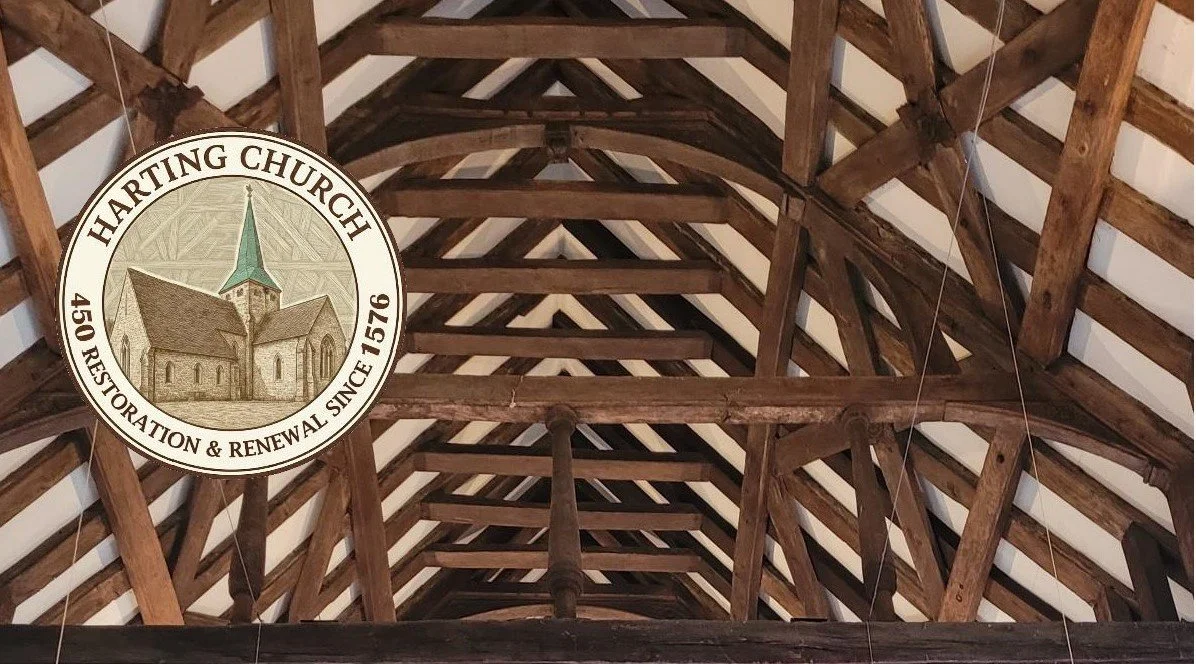
On Saturday 18th July at 11.30am, beneath the Elizabethan timberwork of our chancel, we celebrated Holy Communion according to the order of the 1559 Prayer Book, using Merbecke’s setting. It was a fitting way to give thanks both for the restoration of our church following the fire of 1576, and for the genius of Good Queen Bess in creating the Via Media which is the Church of England. We were joined by members of the Prayer Book Society, together with their chairman, Bradley Smith, and were honoured to welcome as our preacher the Venerable Dr Tom Carpenter, Archdeacon of Chichester. Our organist was Richard Barnes.
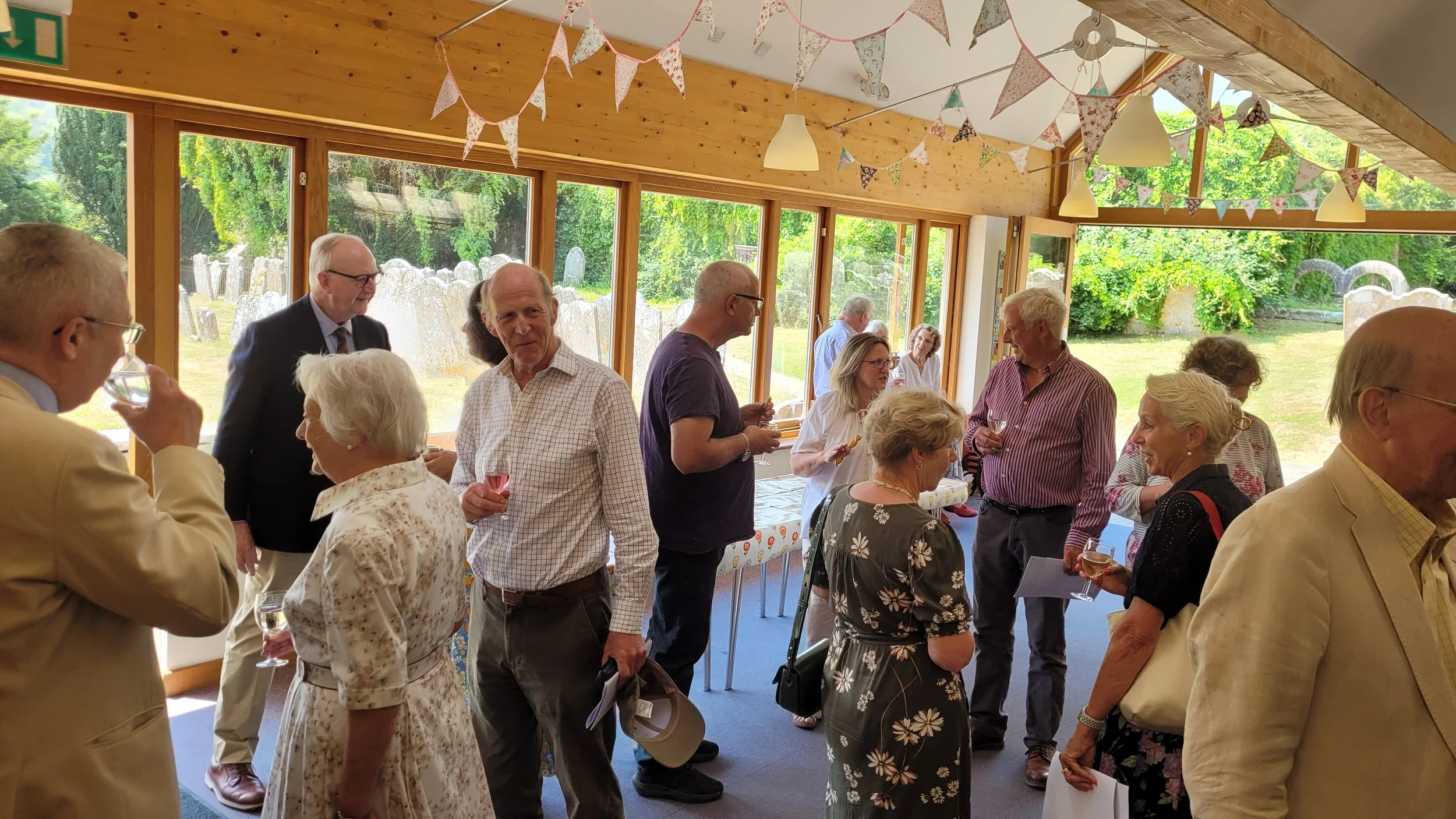
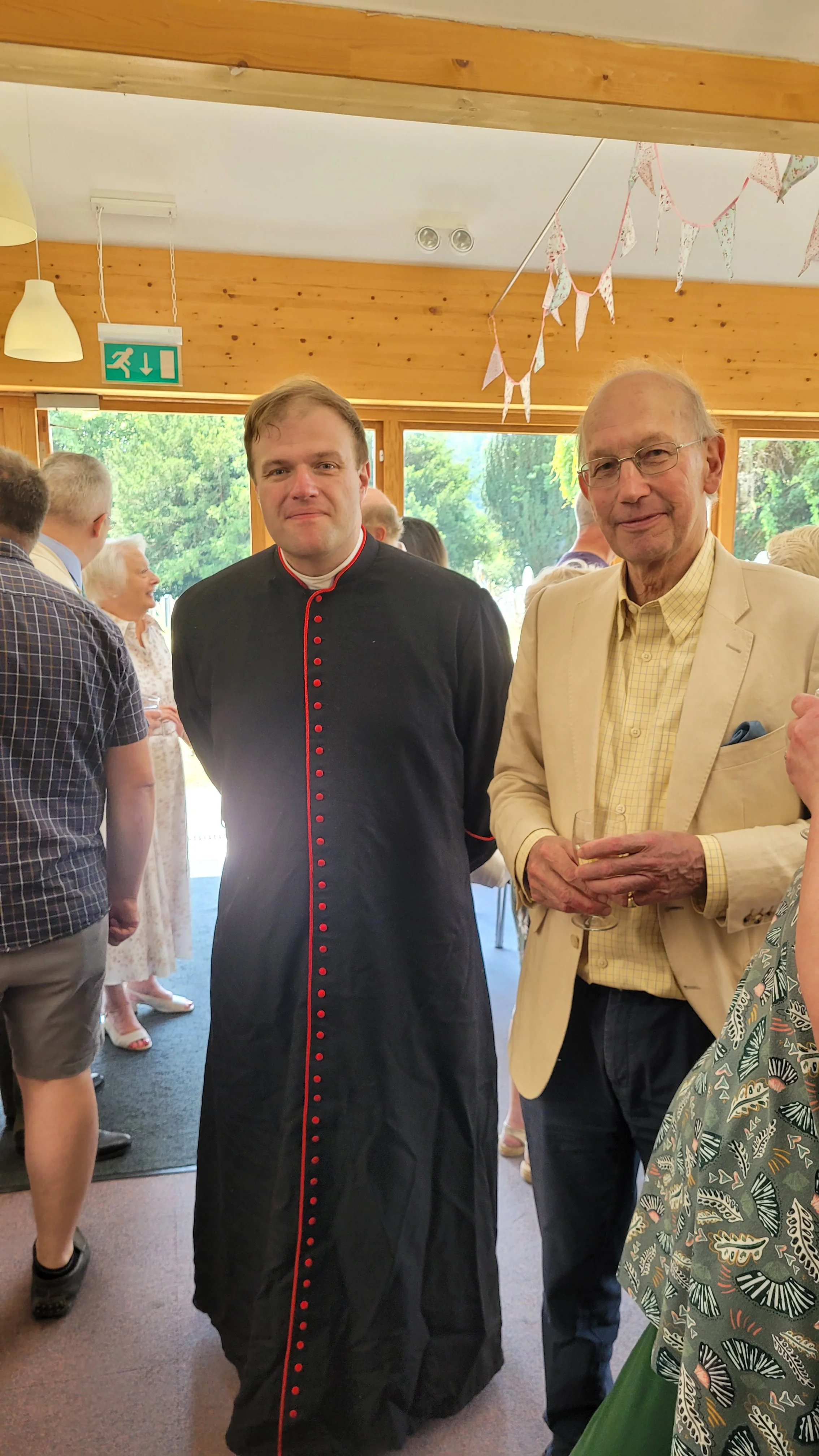
It was a very well supported event and enjoyed by all
When Elizabeth succeeded her sister Mary as Queen in 1558, England was divided in its religious loyalties. Some wanted to maintain Mary’s loyalty to Rome; some wanted to return to the Protestantism that had taken hold under Edward VI; others wanted to find some kind of middle way between the two extremes.
Elizabeth was both moderate and inclusive by nature (she famously said, ‘I have no desire to make windows into men’s souls’), and when Parliament met in 1559 it passed two acts which created what is known as the ‘Elizabethan Settlement’. An Act of Supremacy declared Elizabeth to be the Supreme Governor of the Church of England and required all clergy to swear loyalty to her. And an Act of Uniformity decreed that Cranmer’s Prayer Book of 1552 should be used at all services.
On the basis of this legislation, a new Book of Common Prayer was published in 1559, substantially the same as the 1552 one, but explicitly allowing for the use of eucharistic vestments and the ornaments of worship. It fulfilled Elizabeth’s desire for the Church of England to be a Via Media between Catholics and Puritans and, with minor alterations in 1662, it remains the much-loved foundation of Anglican worship.
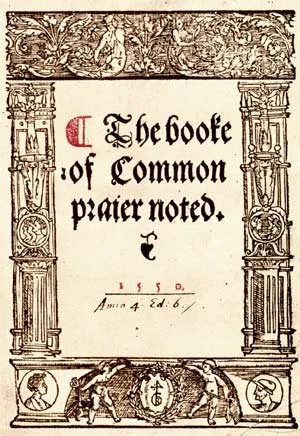
As far as music was concerned, a little-known composer called John Merbecke had, in 1550, written a setting of the Prayer Book communion service, using semi-rhythmical melodies partly adapted from Gregorian chant. Sadly it became redundant almost as soon as it was written, owning to the revision of the Prayer Book, but it was republished during the nineteenth century and was then in extensive use in parishes until the liturgical changes of the 1970’s. It has a wonderful Tudor quality that somehow epitomizes the spirit of Anglicanism.